
American Art in the 19th Century: Landscape and Identity
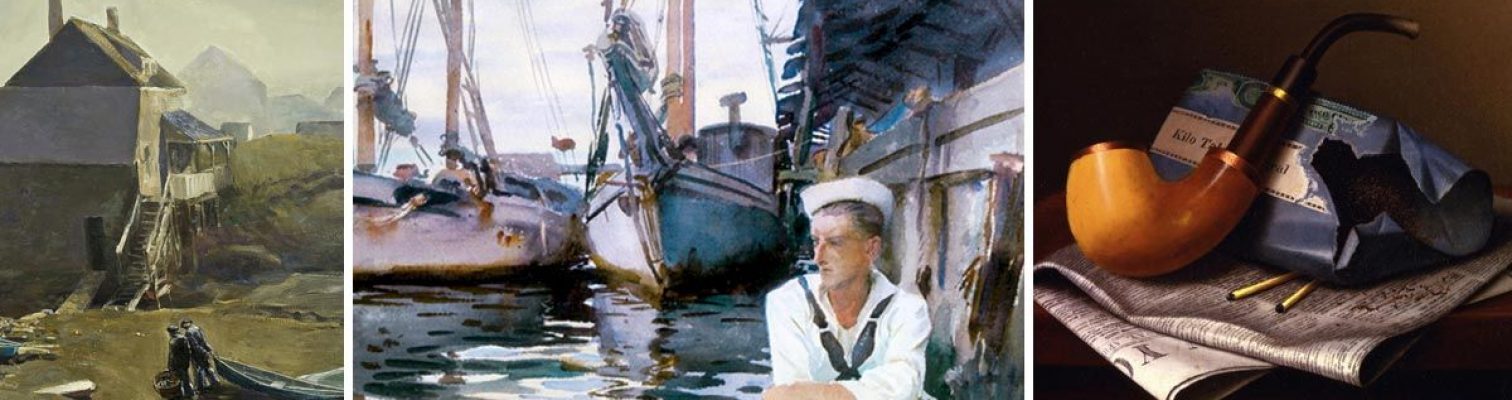
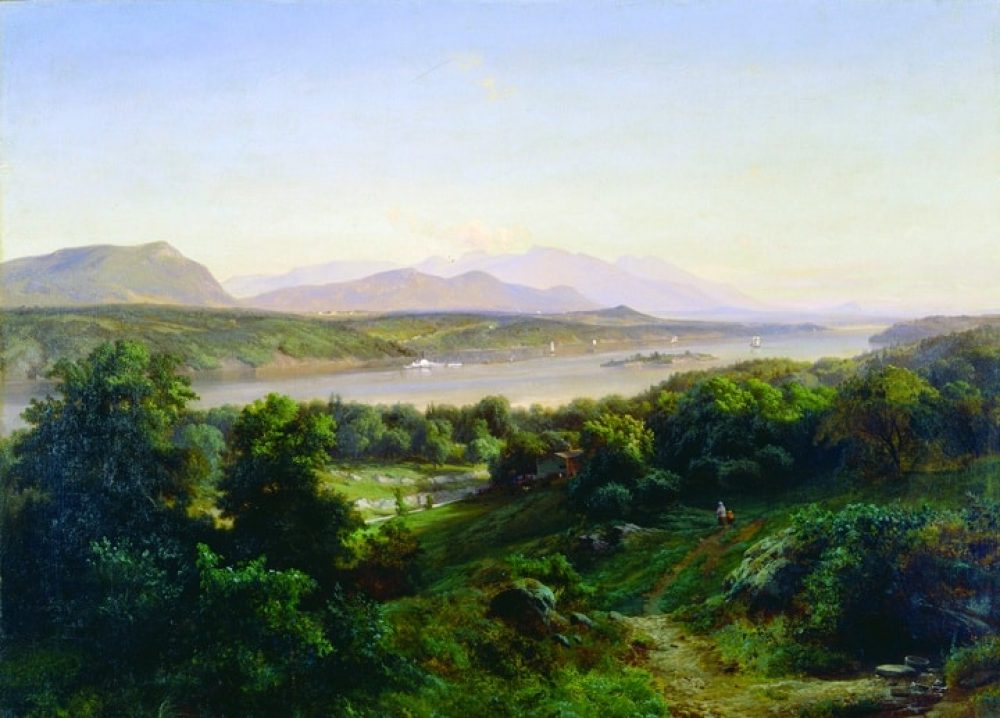
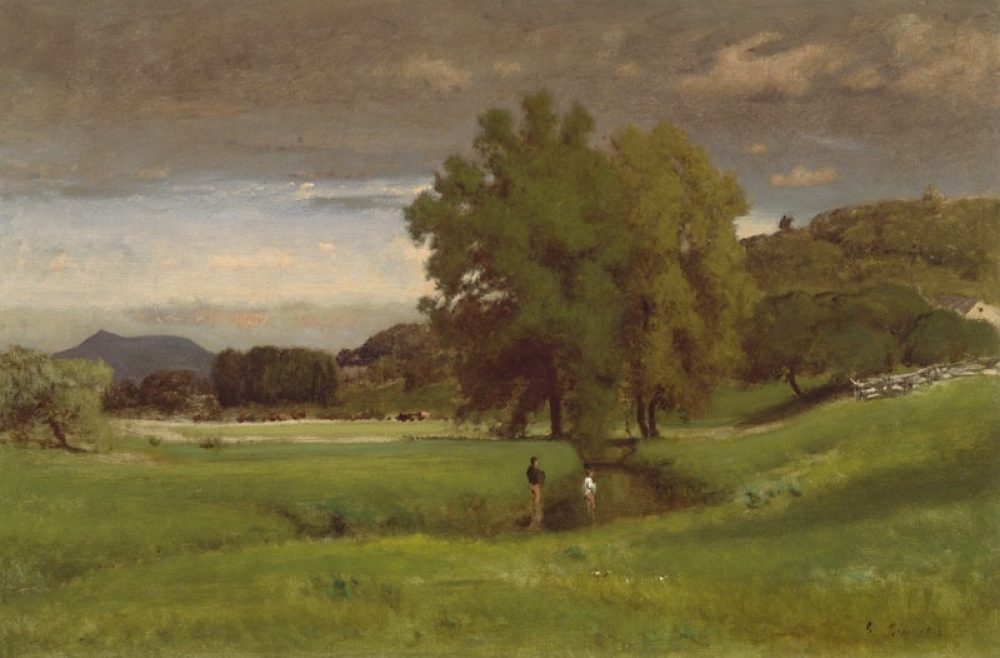
The works in OMA’s collection from the 19th century reflect a period when American artists were actively constructing a visual identity for a young nation. The Hudson River School, which flourished roughly from the 1820s through the 1870s, was among the first distinctly American art movements, characterized by sweeping, detailed landscapes that treated the natural environment as a source of spiritual meaning and national pride.
George Inness, represented in OMA’s collection, began his career within this tradition before developing a more personal, atmospheric approach rooted in the Barbizon influence, eventually becoming one of the defining voices of American landscape painting.
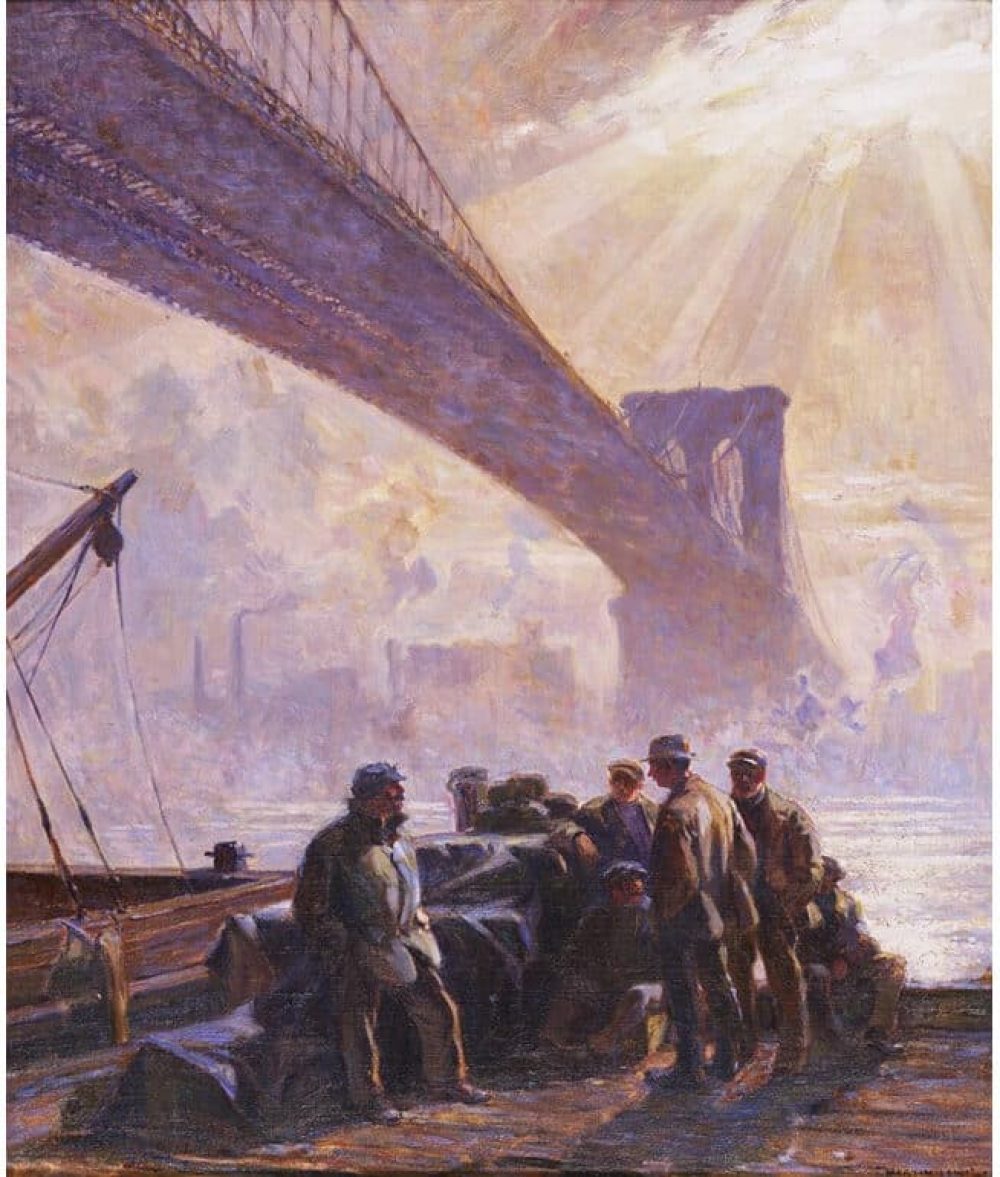
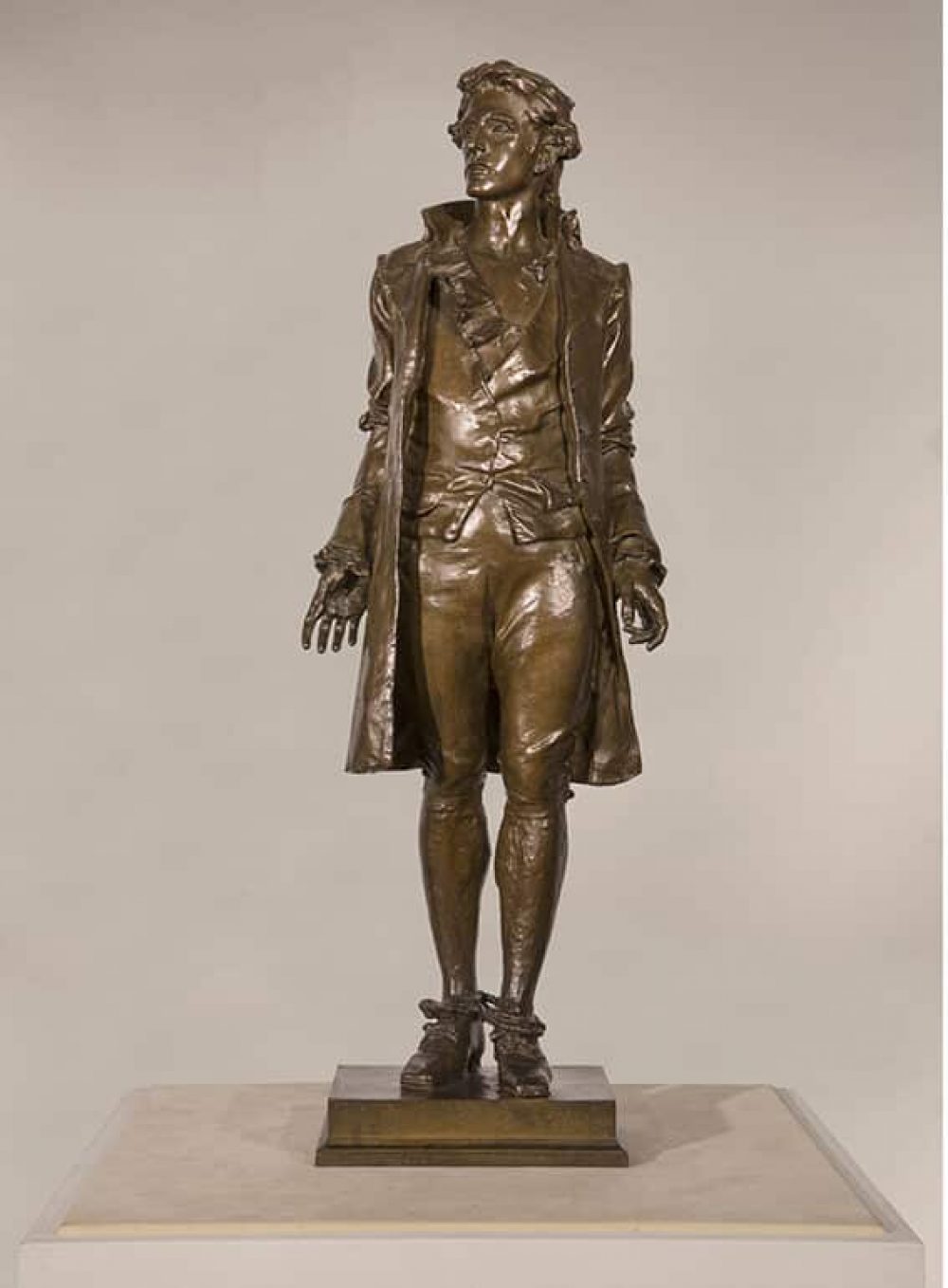
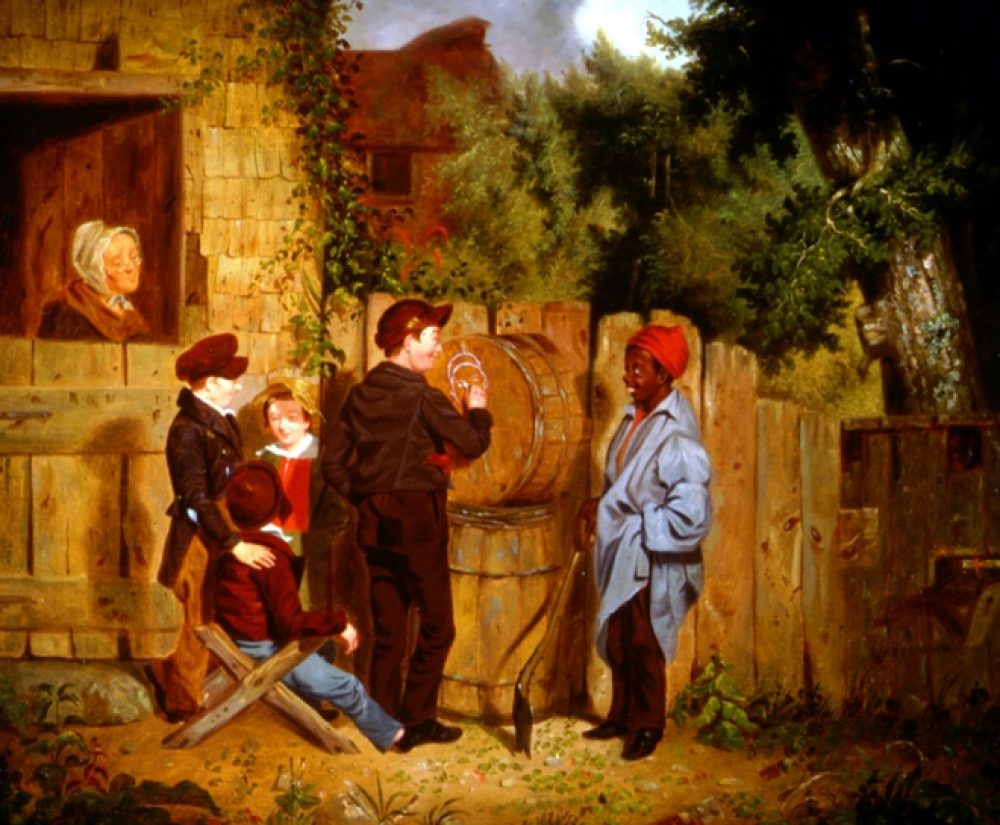
Alongside landscape, Realist painters and sculptors of the later 19th century turned toward everyday American life, rural labor, and the figure, reflecting a broader cultural shift toward documenting lived experience rather than idealized scenery.
American Modernism: From the Figure to Abstraction
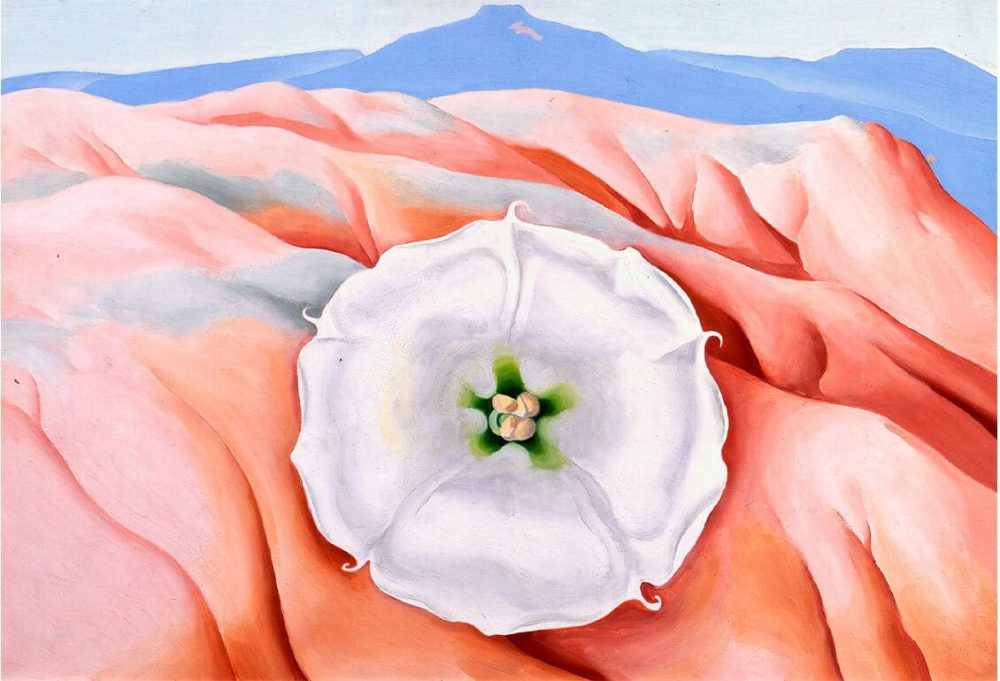
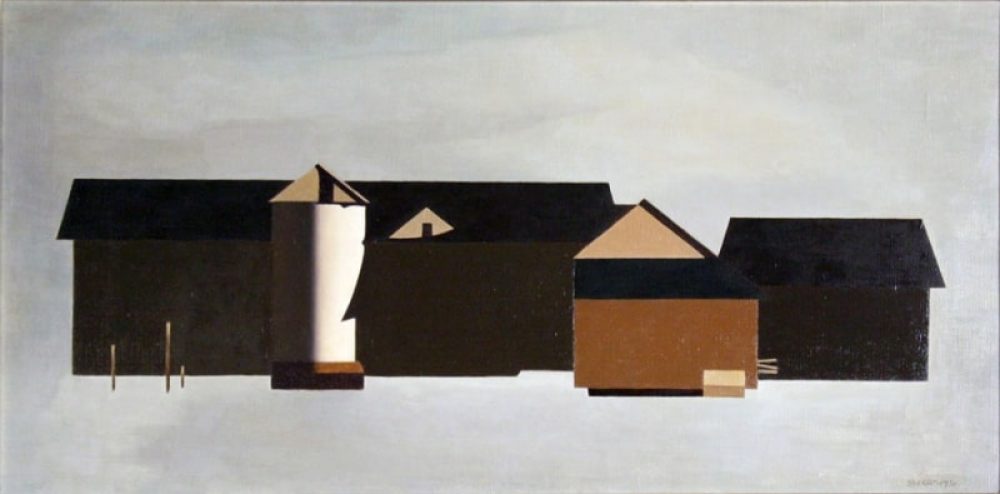
By the early 20th century, American artists were engaging with European modernism while developing approaches distinctly shaped by the American experience. Georgia O’Keeffe, whose work is represented in OMA’s collection, became one of the most recognized figures of American Modernism, known for large-scale paintings of flowers, bones, and the New Mexico landscape that blended close observation with abstraction.
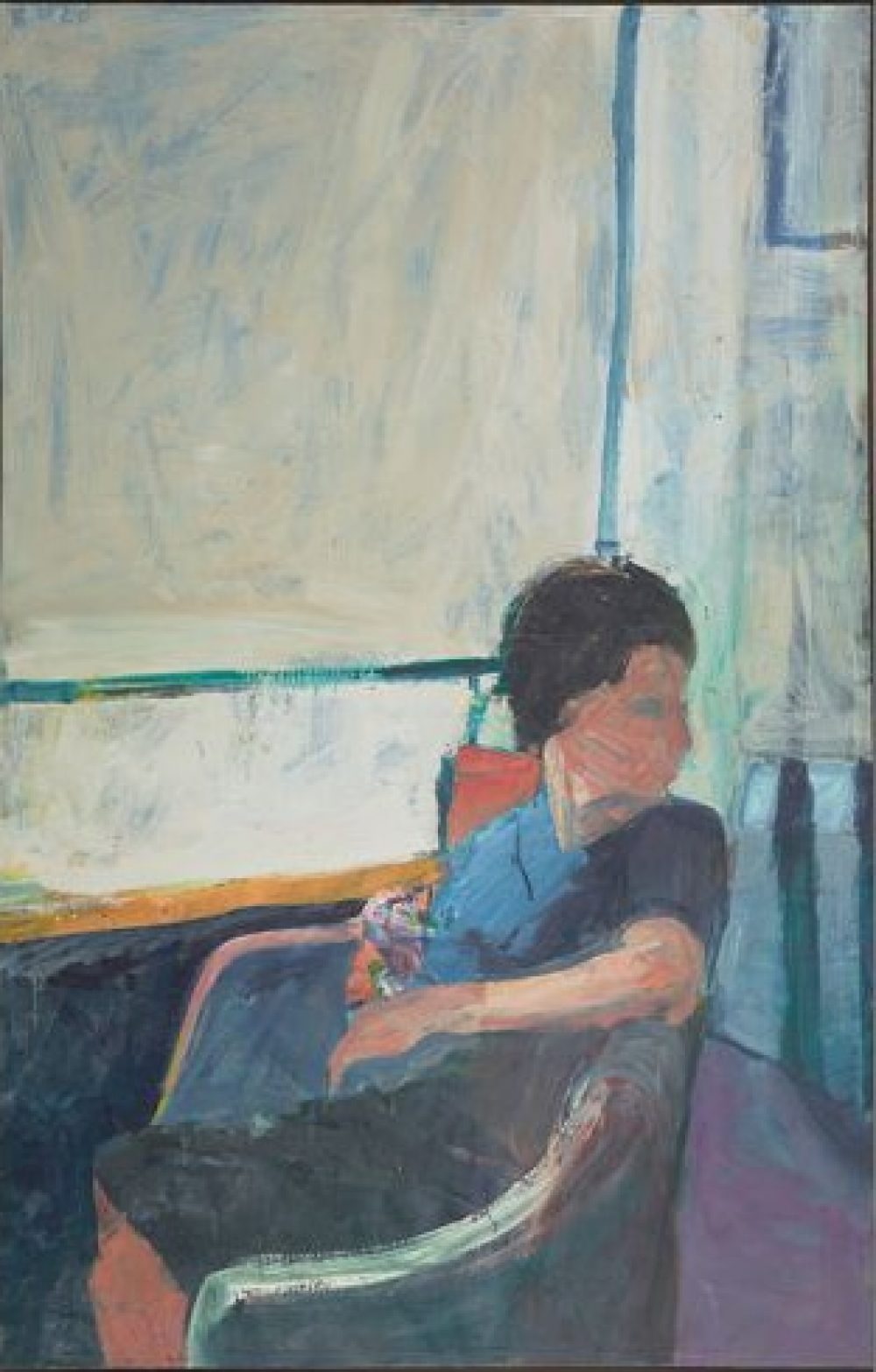
Richard Diebenkorn, also in the collection, traced a path from Abstract Expressionism to the figurative Bay Area style, and later to the celebrated Ocean Park series, positioning him as a key figure in the evolution of postwar American painting.
These artists shared an interest in how form, color, and composition could carry emotional and conceptual weight — a thread that connects the Modernist works in the collection to the landscape and figure paintings that precede them.
Plan Your Visit
Selections from the American Art Collection are on view year-round in OMA’s permanent collection galleries. The museum is located at 2416 N. Mills Ave. in Orlando’s Loch Haven Park, and is open Tuesday through Friday, 10am to 4pm, and Saturday through Sunday, 12pm to 4pm. Plan Your Visit
Frequently Asked Questions About OMA’s American Art Collection
What is in OMA’s American Art Collection? The collection spans 19th, 20th and 21st century American art, including paintings, sculpture, and photography. It includes works by major figures such as Georgia O’Keeffe, George Inness, Richard Diebenkorn, Frederick MacMonnies, Ansel Adams, and Margaret Bourke-White, among others.
What art movements are represented in the collection? The collection covers several significant movements in American art history, including the Hudson River School, Impressionism, Realism, and Modernism. Together these works trace American visual culture from the mid-1800s through the 20th century.
What is the Hudson River School? The Hudson River School was the first major American art movement, active roughly from the 1820s through the 1870s. It was characterized by large, detailed landscape paintings that treated the American wilderness as a subject of spiritual significance and national identity. George Inness, represented in OMA’s collection, was associated with this tradition.
Is the American Art Collection on permanent display? Yes, selections from the collection are on view year-round. Specific works may rotate based on gallery programming. OMA’s educational programs also regularly draw on the collection for tours, classes, and community events.
Where can I see American art in Orlando? The Orlando Museum of Art’s permanent collection galleries include American paintings, sculpture, and photography from the 19th,20th and 21st centuries, available to visitors year-round. OMA is located in Loch Haven Park in Orlando, Florida.
How can I support OMA’s American Art Collection? The Friends of American Art, established in 1993, supports the collection through annual membership dues used to fund new acquisitions. Get Involved.
