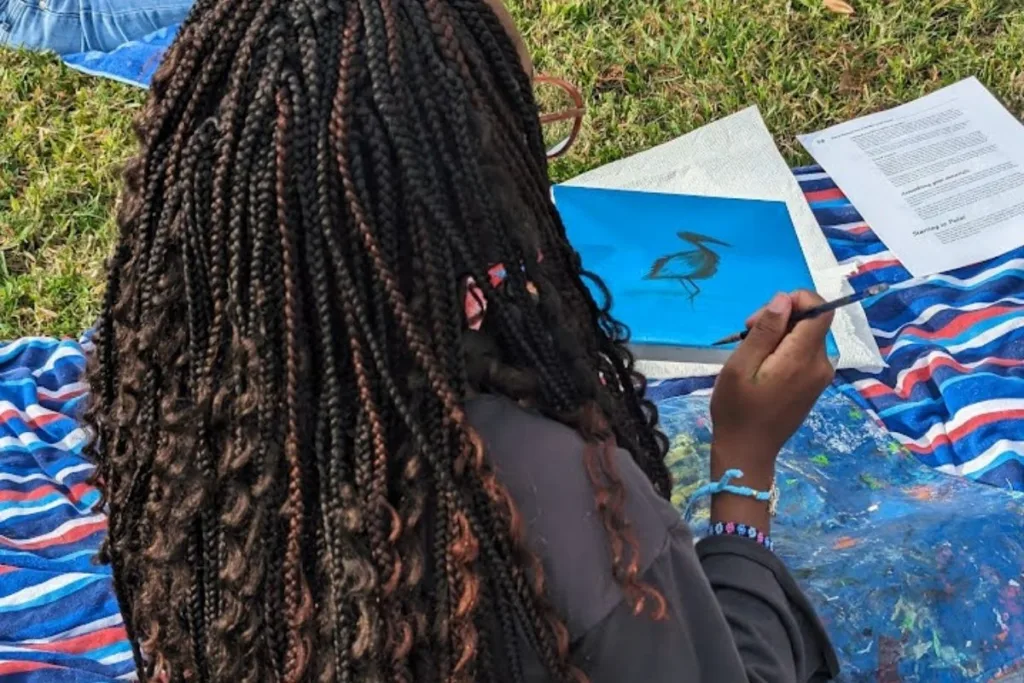
Many kids who had a love for art during their elementary school years stop making art by high school. It’s usually not because the interest is gone. High school years just tend to fill up quickly with other activities and commitments.
There is homework to do, sports to play, jobs to work, and friends to see. You may also carry a sense of self-consciousness about the idea that if you are not naturally good at art, then it is not worth your time.
Yet creativity during the teen years is not really about talent. It is about having somewhere to think, make things, and figure out who you are. This article is here to help, whether you are a teenager looking for a way back into making art or a parent trying to support one. From simple things you can do at home to community programs worth exploring, there are more ways to keep creativity alive during adolescence than most people realize.
Why Creative Practice Matters More During Teen Years
Creative practice matters more during the teen years because it’s when the importance of identity and future planning are at a high point, all while battling stress from multiple sources.
Art gives middle and high schoolers a space to experiment with ideas, perspectives, and ways of seeing the world. A sketchbook, a camera, a collage made from whatever’s around: these aren’t just creative outlets, they’re ways of working through who you are and what you think. That kind of low-stakes exploration matters especially during adolescence, when so much of daily life already feels like a performance.
Art also provides people with a way to take a break from the stresses of their lives. Whether it is grades, social life, or their future, it’s easy to get consumed by responsibilities. However, focusing on creativity allows for time to take a breather from these important but mentally taxing obligations.
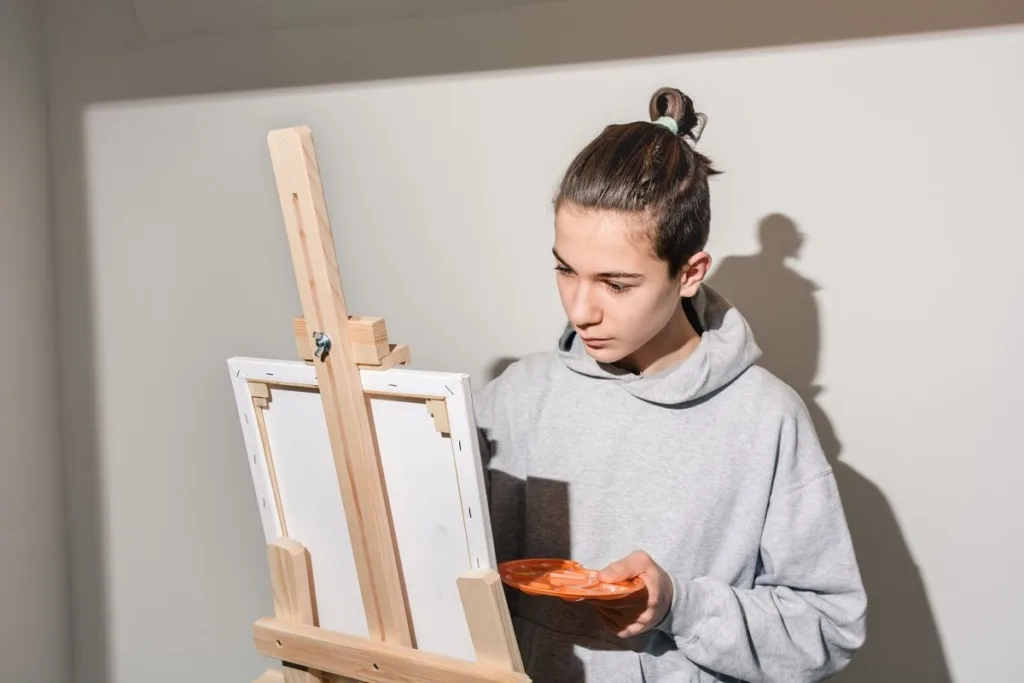
Finally, creativity provides ways to prepare for a future career. If you are pursuing a college education that emphasizes art, you can prepare portfolios and continue to learn new creative skills that will prepare you for college and beyond. Even if you are not pursuing an art career, creative skills still translate into other fields, such as design, architecture, UX, film, game development, and fashion.
The other part of creative skill development that people do not often mention is that adolescents need an environment without oversight where they’re not required to fulfill the expectations of their parents. Whether it is a school art studio, art museum, gallery, or workshop, artists need this third space apart from home and school to develop their creative skills.
At-Home Art Activities for Teenagers
Some of the best ways to create art at home are projects that are easy to start and return to, such as phone photography, sketching, or collaging.
One of the most suitable at-home creative activities is maintaining a sketchbook. It does not need to contain only “good” drawings. It can contain any drawings or sketches that form in your head, or half-formed ideas that take shape when inspiration strikes. Using a sketchbook and drawing inspiration from events such as Sketching in the Galleries keeps creativity open and accessible.
Using a phone for photography trains your eye to notice things like light, framing, and the small details of everyday life that are easy to walk past. Apps like Adobe Lightroom or Snapseed make it simple to experiment with mood and composition. And the camera you already carry everywhere is enough to get started.
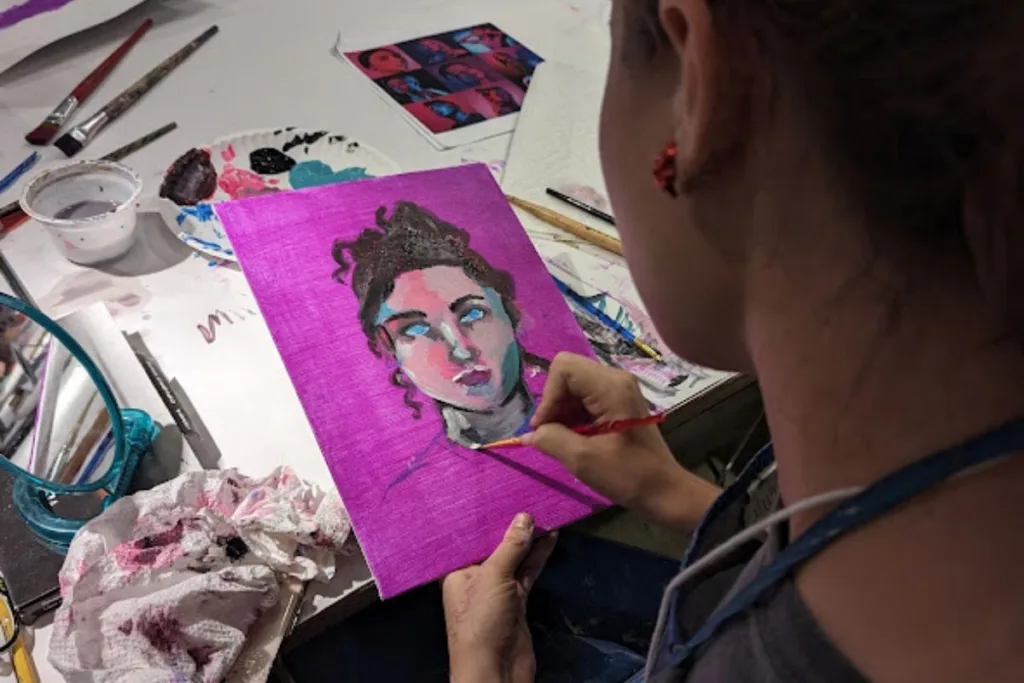
Digital art and illustration tools are more accessible and relevant than ever, and a great option if you already have experience expressing yourself on a digital canvas. Procreate or a variety of free online programs are perfect ways to dive into creative practice with skills such as digital illustration, photo editing, animation tests, and typography.
Creating a collage or mixed-media piece requires little cost or effort, and can reflect your environment or whatever interests you most. If drawing feels intimidating, this is a great outlet that also produces a satisfying result.
Printmaking might sound challenging at first, but it is actually straightforward to get started with. Techniques like linocut or monoprint make it easy to add drawings, color, and design elements to your work, opening up new ways to express yourself.
None of these activities require a specific setup or a long list of materials. All it takes is a willingness to try something new and the persistence to keep going as your skills develop.
Getting Involved in the Community
Part of the creative process means getting involved in the community, which can include activities such as local classes and workshops. Making art on your own is already valuable, but making it alongside other people and sharing that experience is part of what makes it meaningful.
You can also look for opportunities to make changes within your school, such as requesting the continuation of art electives like art publication, yearbook, photography, ceramics, and creative writing. Advocating for art in schools and communities helps keep creative programs visible, valued, and harder to cut, and it exposes others to new ideas while building a sense of belonging.
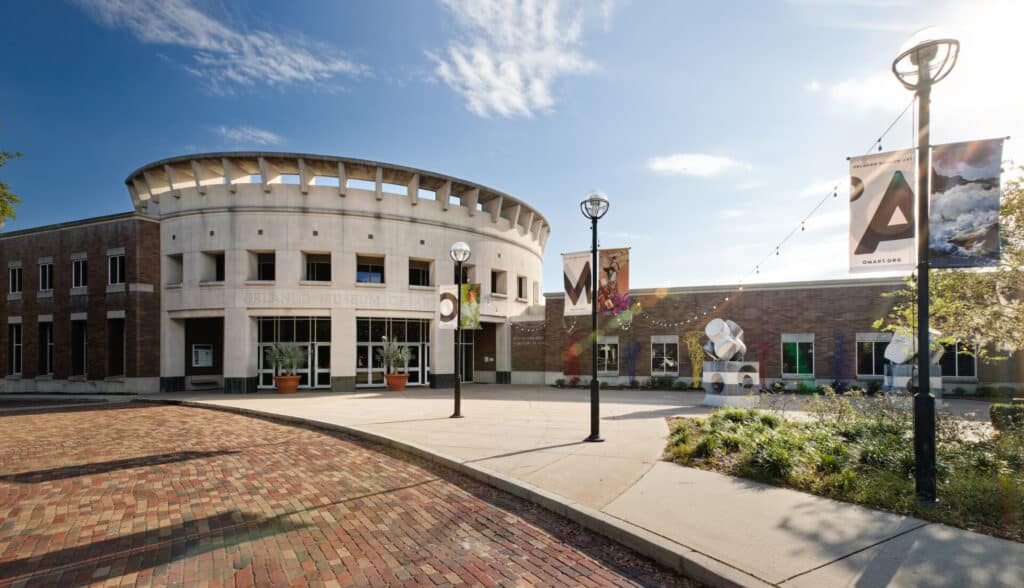
Another way to get involved in the community is through volunteer programs at local museums and cultural institutions. Museums are one of the few public spaces that respect curiosity at any skill level. You do not need a master plan or even a strong art background to benefit from being part of one.
Many museums and cultural centers offer a variety of volunteer opportunities for teens. At the Orlando Museum of Art (OMA), for example, you can assist with family and education programs, participate in art-making activities guided by museum educators, and more.
Making the Museum a Regular Destination
Making the museum a regular destination helps keep creativity alive through the inspiration and community it offers. The museum, as a “third place,” benefits people by letting them feel like a part of the art community, and a membership allows them to visit often and feel comfortable taking their time within the museum.
Unlike a class or program with a start or end date, becoming a member means you are always welcome, on your own schedule.
OMA offers special discounts and membership offers for students. When visiting the museum, students get $10 admission with a valid ID. Additionally, OMA’s Access for All program offers a day free at the museum, with gallery talks, sketching materials, and extended hours of operation.Explore OMA Teen Programs and Membership Options. Have questions? Contact us, and we’ll help you find the best options.