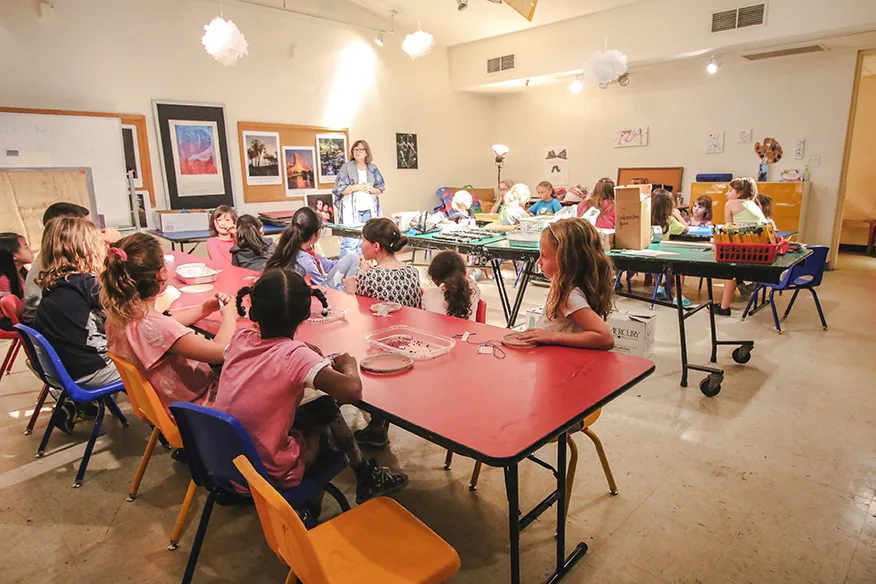
Choosing the right summer camp involves comparing existing options against what matters most. Your child’s personality, your schedule, and your budget all play into the type of summer camp you want to send them to.
If you are considering either a traditional summer camp or an art camp, both offer structure and fun for the children who attend. However, they offer different experiences and benefits. Knowing how to compare them and what to look for in each will help you figure out if the best option for your child is a traditional summer camp or a summer art camp in Orlando.
What Traditional Summer Camps Typically Offer
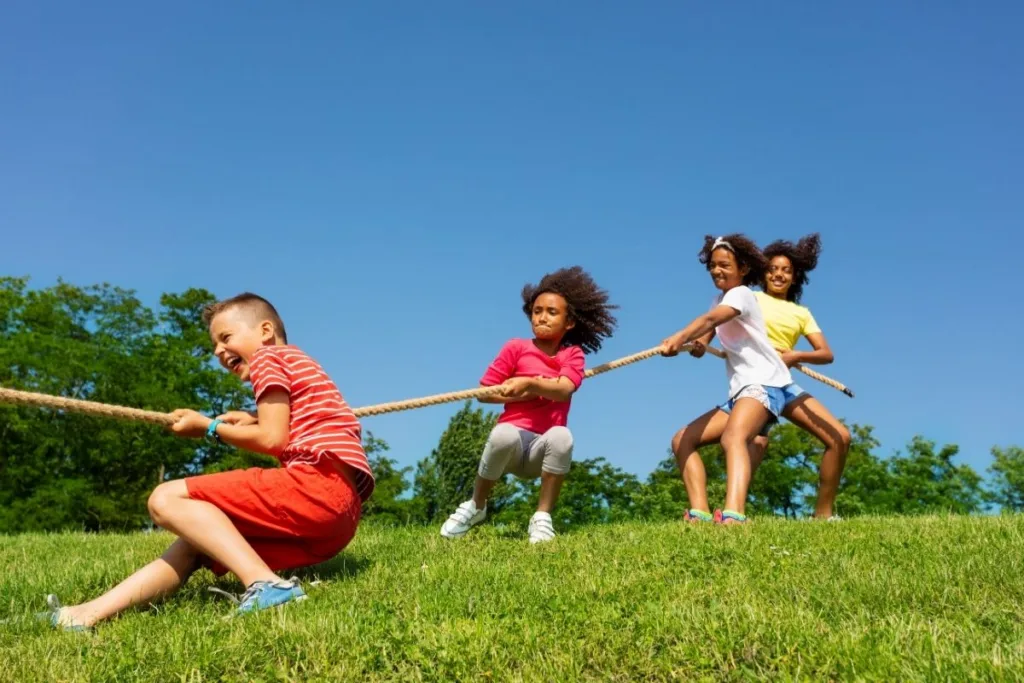
Traditional summer camps typically focus on movement, teamwork, and a variety of activities for the campers. Many of these camps include activities like outdoor play, swimming, and socializing with other campers of similar ages. These types of camps are often appropriate for children who exhibit high levels of energy.
Many summer camps offer a variety of activities throughout the summer to keep children engaged in their experience. For example, one day the children may participate in sports and the next in craft activities. Other camps may focus on activities related to the outdoors, such as camping, nature observation, or outdoor competitions.
Additionally, many summer camps offer children of different ages the chance to become more independent. Day camps foster independence as children interact with peers and participate in various activities. Overnight camps encourage further self-reliance of the campers and allow them to spend time away from home.
Some camps may be focused solely on providing recreational activities for the children. Others may focus on activities related to specific interests, such as sports, science and technology, the arts, music, or other individual interests. Ultimately, the best option for any child will be the one that best aligns with that child’s energy, interests, and social level.
What Art Camp Offers That’s Different
Art camp offers a different kind of camp experience. Instead of a variety of unrelated activities, art camps, typically organized by age or grade level, align with a child’s developmental stage and focus on developing artistic skills. Many offer various types of art programs, such as drawing, painting, sculpture, mixed media, and printmaking, for children that focus on different interests and strengths.
The biggest difference between traditional summer camp and art camps is the focus on developing artistic skills. Art camps allow children to focus on a project until it is completed and to build their confidence in their ability to develop artistic talents. These activities encourage sustained attention on a task while also promoting creativity and original thinking.
Art camps also tend to accommodate a variety of personalities and encourage self-expression. Some children may find the quieter aspect of art camps to be more comfortable than other camps with more activity and social interaction. However, art camps can also be social in nature as the children all develop their art projects together.
Museums that offer summer camps allow children to create their art projects while taking inspiration from the art displayed within the museum. It’s a great choice for kids who are curious, observant, or looking for a quieter, more focused summer experience. And it’s also perfect for those who simply love to make things! For many families, art camps for children are both fun and meaningful.
How the Two Approaches Compare
While many traditional summer camps are built with a focus on recreation, art camp is designed around creative skills. Neither is inherently “better” than the other. They were built for different purposes and different children. The table below compares summer camp to art camp based on the key factors that matter most to parents.
| Area | Traditional Summer Camp | Art Camp |
| Primary focus | Recreation, socialization, physical activity | Creative skill-building, self-expression |
| Skill development | Broad life skills, teamwork | Art techniques, observation, and independent thinking |
| Structure | Activity rotation, group-based | Studio sessions, guided projects |
| Best for | High-energy, social kids | Creative, curious kids (all temperaments welcome) |
| Outcomes | Friendships, confidence, fun | Completed artworks, fun, artistic growth, and confidence |
| Setting | Outdoors, multi-activity | Studio, gallery, hands-on workspace |
Think about your child’s needs for the summer. Are they the type of child that thrives on as much physical activity and social interaction as possible? Or, perhaps they enjoy having periods of focused work to develop a life skill or artistic talent? These types of questions should help you determine the type of camp that would be best for your child this summer.
What Children Get Out of Art Camp
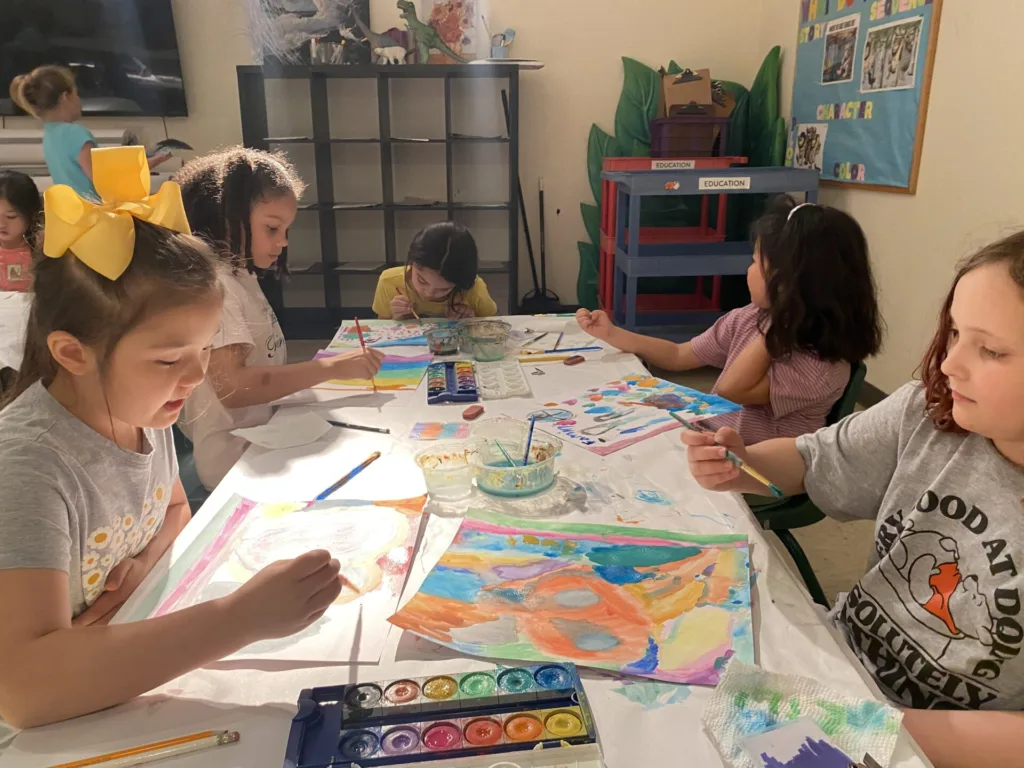
Art camp is more than about making cute projects. It teaches kids skills that can be applied throughout their education, into their social interactions with friends, and even in problem-solving situations, regardless of whether they ever take another art class after camp.
Perhaps most important is the development of creative confidence. Creating projects and seeing improvements in their skills provides a sense of pride and achievement. For kids who feel a lot of pressure within academic environments, art camp can be especially fulfilling as they experience success in a subject that does not require a “right” answer.
Another benefit of art camps is the improvement in a child’s observational skills. By learning to look at the world in certain ways and analyze art pieces, kids find focus and attention to detail in their observations, a skill that can be beneficial in many other areas of their education.
Finally, art camps allow kids to develop a sense of focus and patience. Creating a project over more than one session teaches kids to stick with a goal and develop a sense of resilience when obstacles arise in their attempt to create the project.
For kids who attend art camp at a museum, there is also the benefit of exposure to culture. Children can relate the studio art projects to the artwork they have seen on display in the galleries.
Overall, art camps at organizations like OMA organize according to grade levels (grades 1 through 12). The art camps for 1st and 2nd grade, for example, may focus on color and creating simple projects, but camps for 9th-12th graders may include more advanced projects that can be compiled into a portfolio.
Does My Child Have to Be “Artsy” to Enjoy Art Camp?
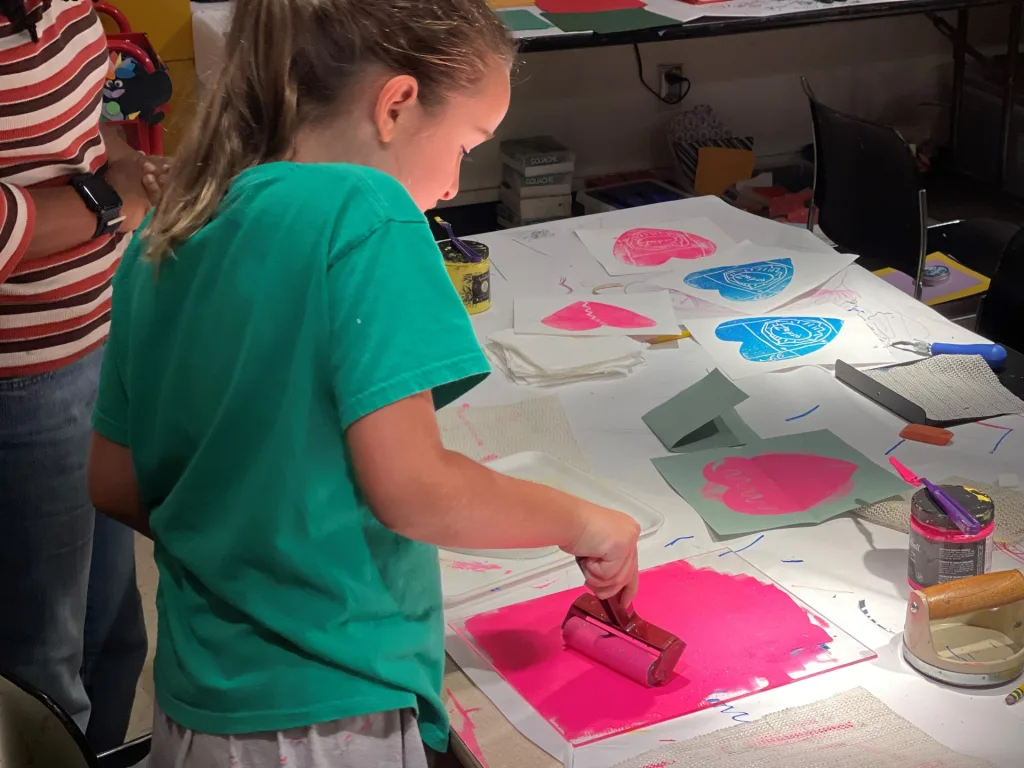
No, and this is one of the biggest misconceptions that parents have. Art camp is for children of all skill levels in terms of art abilities. They typically do not require any level of creative confidence from the kids on day one.
Often, the children who do not consider themselves to be artsy discover their abilities within the camp. These programs help children to discover their talents. In many instances, the children who are not interested in arts outside of camp often become the most excited about their experience.
For children who prefer quieter environments or who would love to take a break from the competitive nature of traditional summer camp, art camp offers an alternative challenge, allowing them to feel calm and in control of their environment.
OMA’s art camp is designed to be welcoming to all. Every child who comes to art camp at OMA is encouraged to explore their creativity and discover their skills.
About OMA’s Summer Art Camp in Orlando
If you’re looking for a summer camp for creative kids in Orlando, the Orlando Museum of Art offers a program that revolves around the museum itself. Kids will create art in the art museum and use the galleries as inspiration.
Summer Art Camp is for students entering grades 1-12. It’s structured according to grade level and offers full-day and half-day options for various lengths of time, from 1 to 11 weeks. Each week includes a different theme for the campers to explore and create within.
OMA’s Summer Art Camp is structured and supervised, including lunch, recess, and a table available for children with nut allergies. Early drop-off and late pickup are also offered. The staff at the camp are museum educators with experience offering Family Programs and Youth Programs in Orlando and have a long history of working with children to further their artistic development.
Ready to Register?
Summer goes by fast, but the kids’ creations and experiences stick around for a lot longer. Become a Member and save on each session. Register for Summer Art Camp or contact the Education Department at 407-896-4231 ext. 262 with any questions. Winter Art Camp and Spring Art Camp are also available at other times throughout the year.