
A Living Tradition: African Art in Historical Context
The works in OMA’s African art collection represent artistic traditions with roots that span thousands of years. Among the earliest documented traditions are the terracotta figures of the Nok culture of central Nigeria, created between roughly 500 BCE and 200 CE, which established a sculptural legacy that influenced generations of West African art-making.
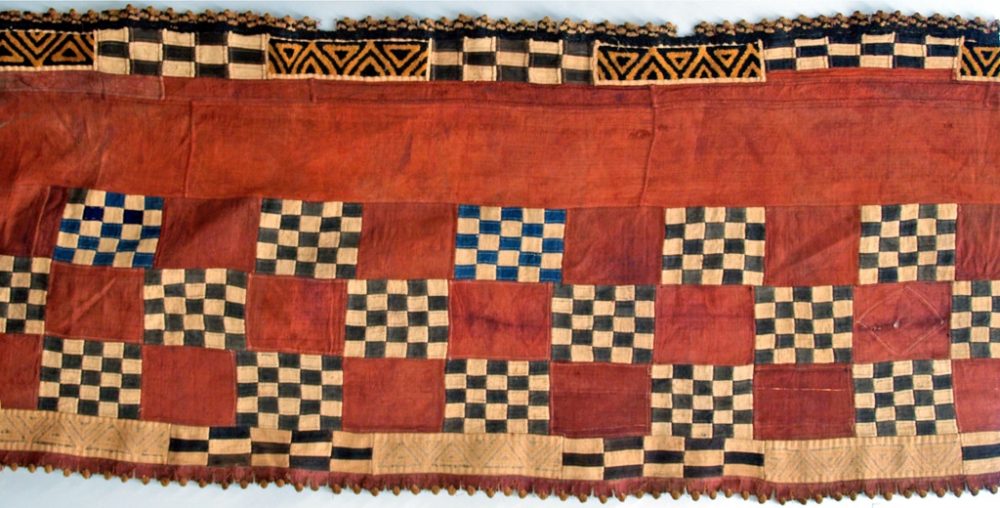
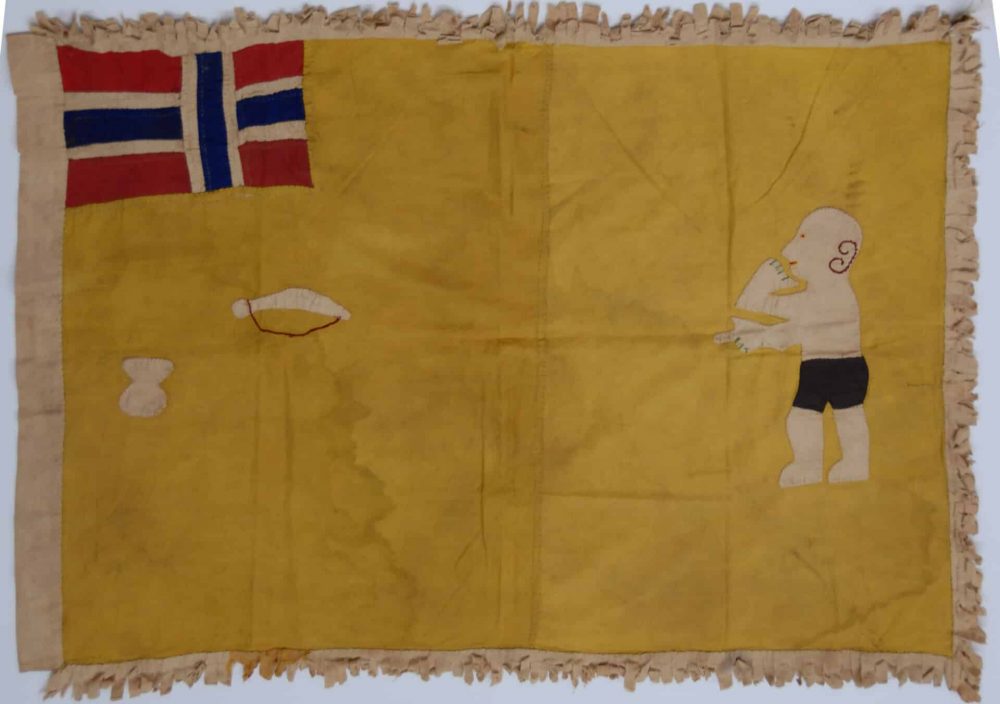
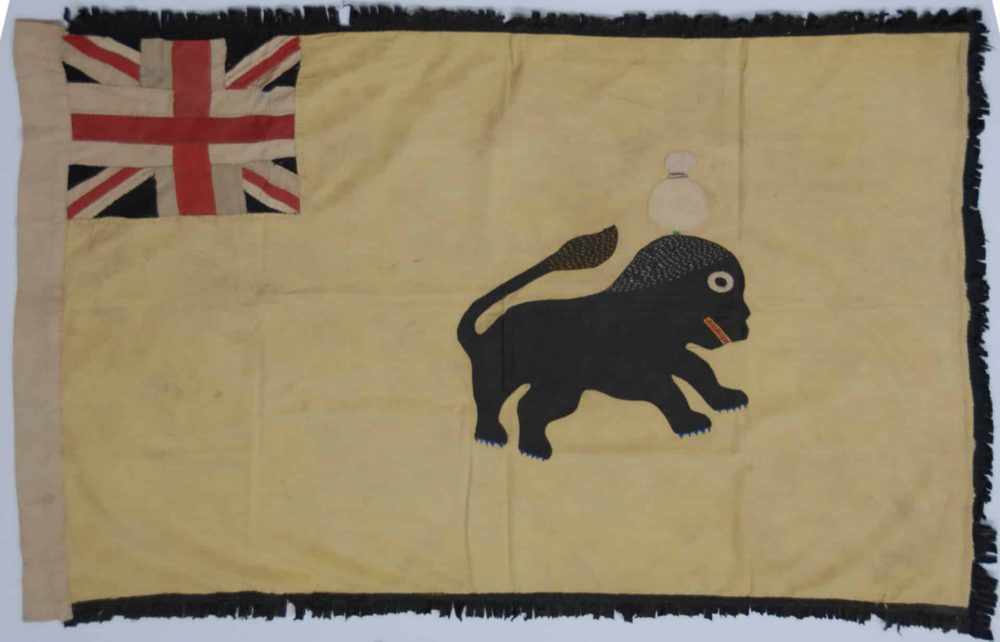
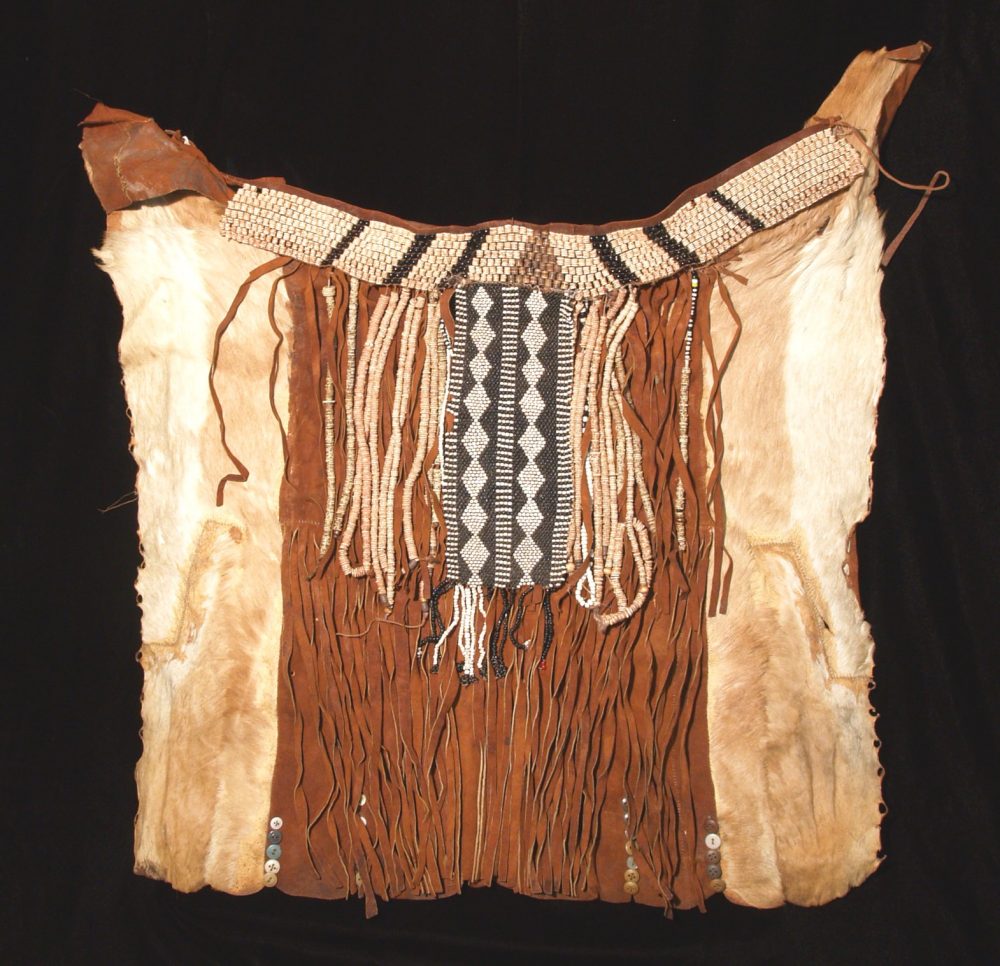
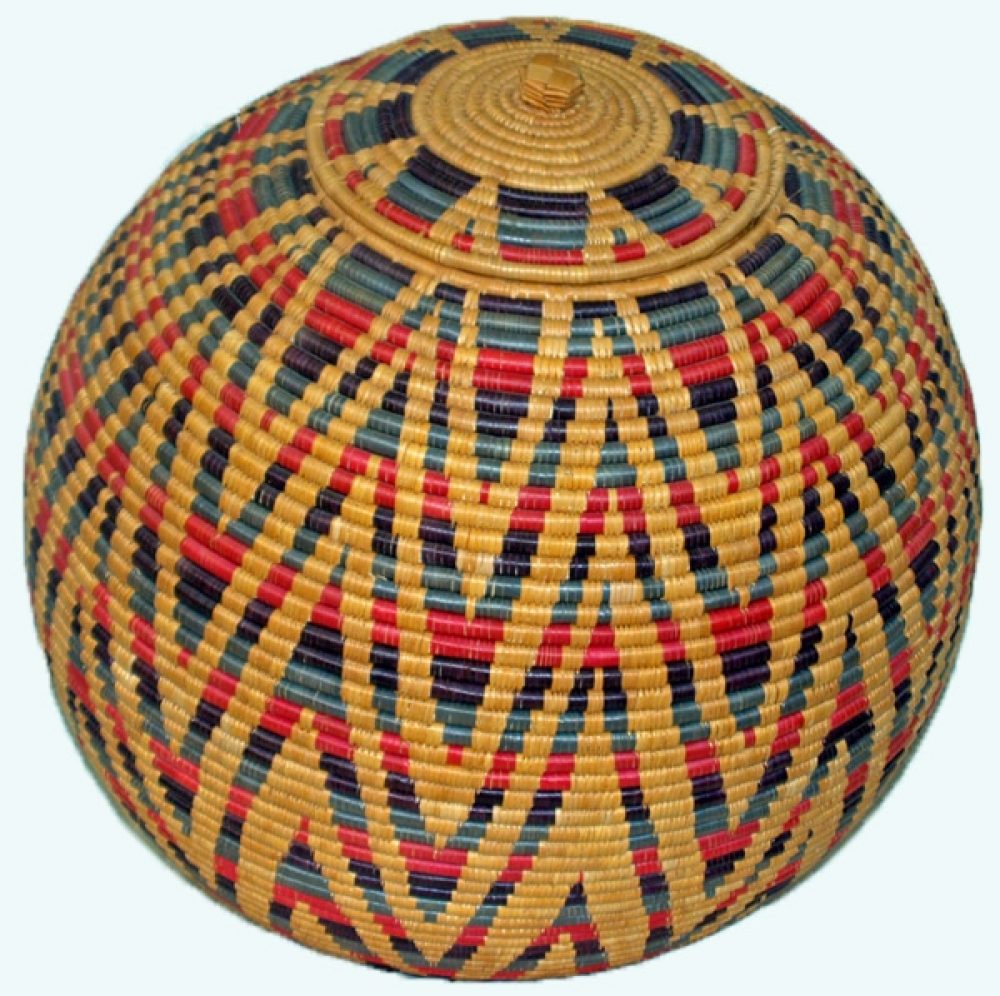
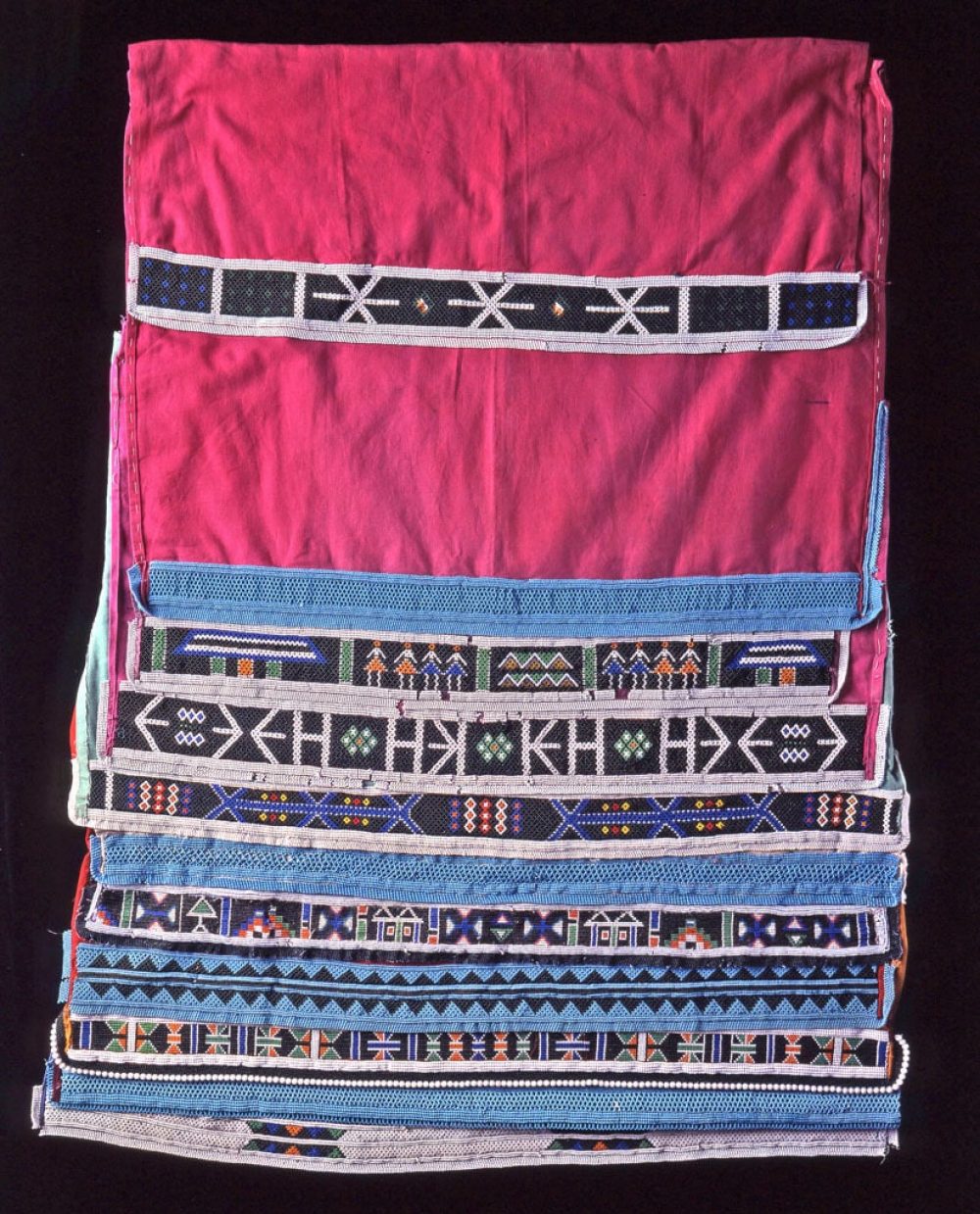
In sub-Saharan Africa, metalworkers of the Benin Kingdom developed highly refined bronze and brass casting techniques, producing royal portraits and ceremonial objects that communicated political authority and historical memory with extraordinary precision. Textile traditions — from the woven Kente cloth of the Asante in Ghana to the beaded and embroidered garments of South African Ndebele women — evolved alongside these sculptural forms, each carrying codified meaning that could be read by those within the culture.
The objects in this collection do not represent a single “African art style” but rather a vast, continent-wide set of living traditions, each shaped by specific communities, belief systems, and material environments.
African Art Forms: Objects, Symbols, and Surfaces
African artistic production encompasses a wide range of forms, many of which are represented in OMA’s collection. Carved wooden sculpture, including masks, figures, and ceremonial objects, is perhaps the most widely recognized category, but the picture is far broader.
Painted surfaces appear across architecture, pottery, and the body itself; African murals and wall paintings, particularly among groups like the Ndebele, transform exterior walls into vivid geometric compositions that carry cultural meaning for the entire community.
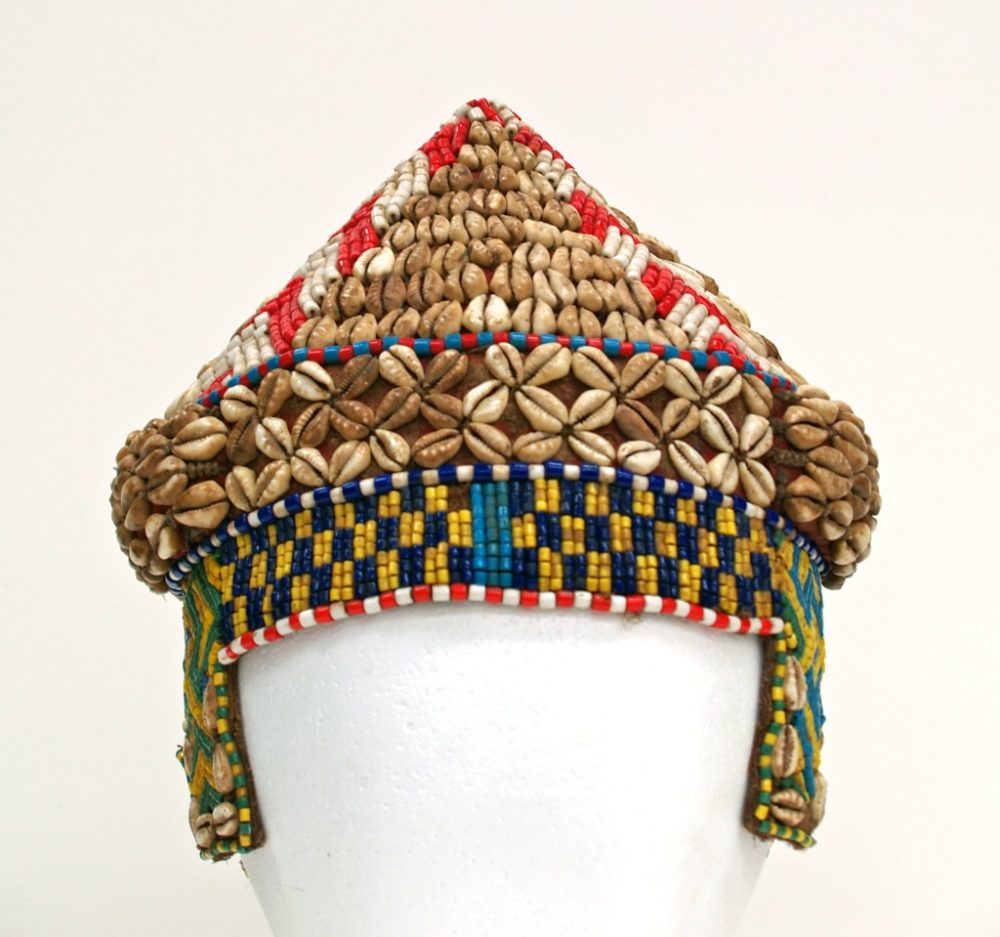
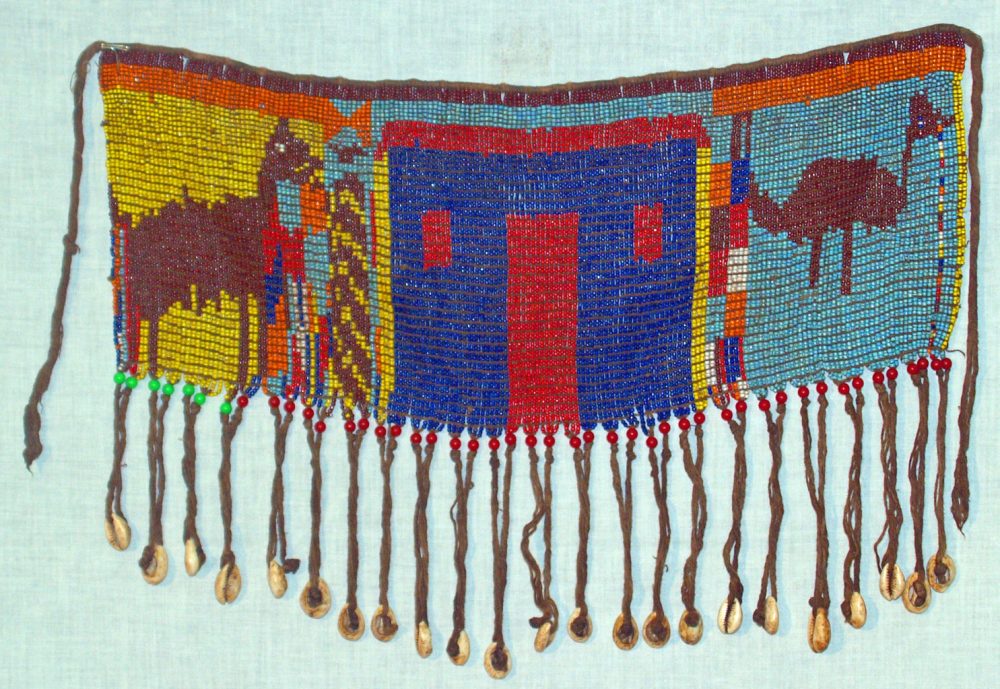
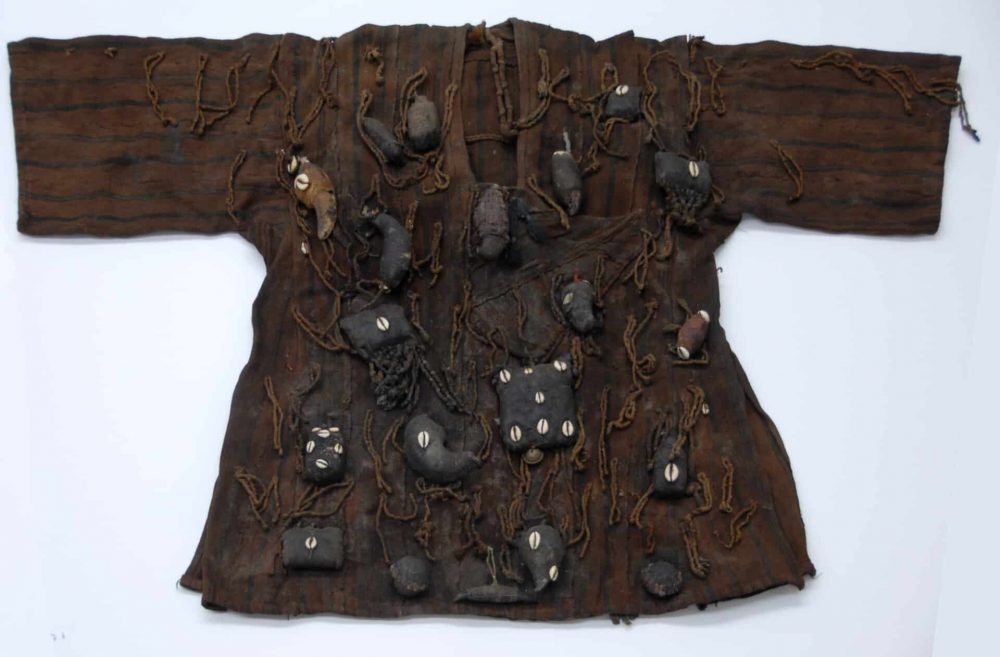
Metalwork, beadwork, and woven textiles function as wearable art that signals identity, status, and belief. Drawings and mark-making traditions inform ceramic decoration, textile patterning, and the carved relief work found on royal objects. What connects these varied forms is intentionality: each medium was chosen with purpose, and each object was made to do something — to protect, to honor, to communicate, or to transform.
African Iconography: Reading the Visual Language
Understanding African iconography begins with recognizing that there is no single visual system. Each culture developed its own symbolic vocabulary, shaped by history, environment, and belief. Across many traditions, geometric patterns, animal imagery, and color appear consistently as carriers of meaning, whether woven into a textile, carved into a ceremonial object, or painted onto a surface.
What these systems share is intentionality: visual choices were rarely decorative alone. A pattern, a figure, or a color combination could communicate identity, mark a life transition, or signal spiritual significance to those within the community. The objects in OMA’s African art collection reflect many of these traditions. Each one rewards closer looking, not to decode a universal language, but to appreciate the depth of meaning of skilled makers embedded in form, material, and design.
Plan Your Visit
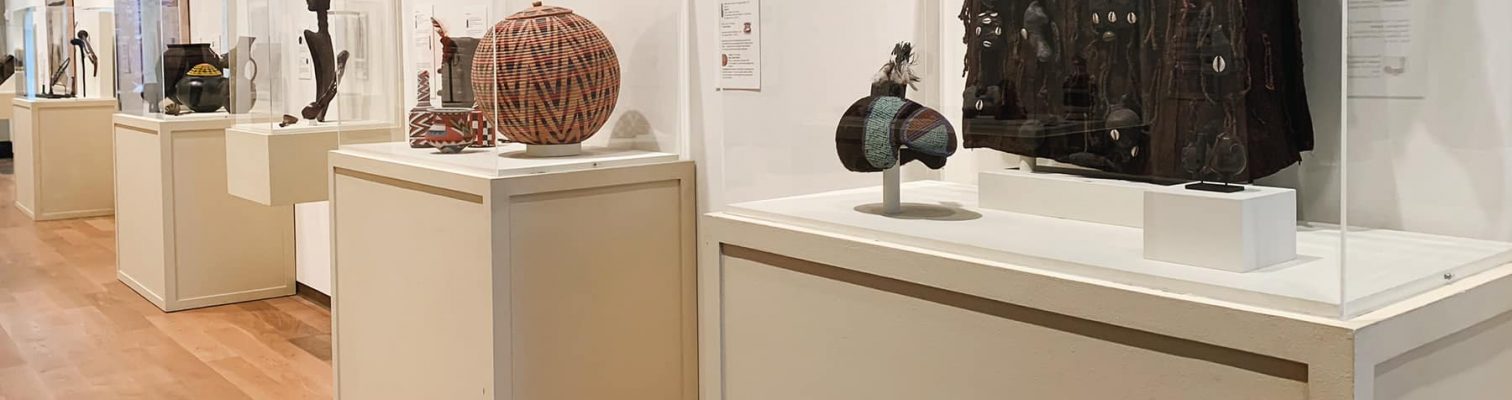
OMA’s African art collection will be featured in an upcoming 2027 exhibition. In the meantime, we invite you to explore the galleries and discover the breadth of our permanent collection.
Frequently Asked Questions About African Art
What is African art? African art refers to the visual and material traditions produced by the many distinct cultures and peoples of the African continent. It encompasses sculpture, metalwork, textiles, beadwork, ceramics, painting, and more — each tradition shaped by the specific history, beliefs, and social structures of its community. Rather than a single unified style, African art is best understood as a rich, continent-wide collection of distinct visual languages.
What are some common forms of African art objects? Common forms include carved wooden masks and figures, cast metal sculptures, woven and beaded textiles, decorated ceramics, architectural murals, and ritual objects used in ceremony and daily life. Many of these objects were made to be worn, carried, or displayed as part of living cultural practice, not purely as decorative pieces.
What makes African iconography distinctive? African iconographic systems vary significantly by region and culture, but many share a reliance on geometric abstraction, symbolic color, and animal imagery to carry layered meaning. Visual symbols often communicate information about social status, spiritual belief, or community identity in ways that function like a written language for those who know how to read them.
Where can I see African art in Orlando? The Orlando Museum of Art holds an African art collection that will be featured in a dedicated exhibition opening in 2027. OMA is located in Loch Haven Park in Orlando, Florida, and is open to the public year-round. Plan your visit today.
What African art pieces are in OMA’s collection? OMA’s collection includes objects representing cultures from across the African continent, including beaded garments and dolls from South African Ndebele and Tsonga traditions, ceremonial headdresses from Uganda and Nigeria, and works that reflect the range of symbolic and aesthetic systems found throughout sub-Saharan Africa.

