There is something special about having your child’s artwork displayed in your home. Each scribble, stroke, and construction paper collage marks how they see the world around them at that moment. These works are reflections of development, exploration, and imagination.
At the Orlando Museum of Art, we see similar sparks through our Orlando kids’ art programs, camps, exhibitions, and family workshops, where young artists nurture their imaginations and build upon a creative foundation. With a few simple tips for how to display children’s art at home, you can cultivate that same creativity to celebrate and store your child’s artwork over time.
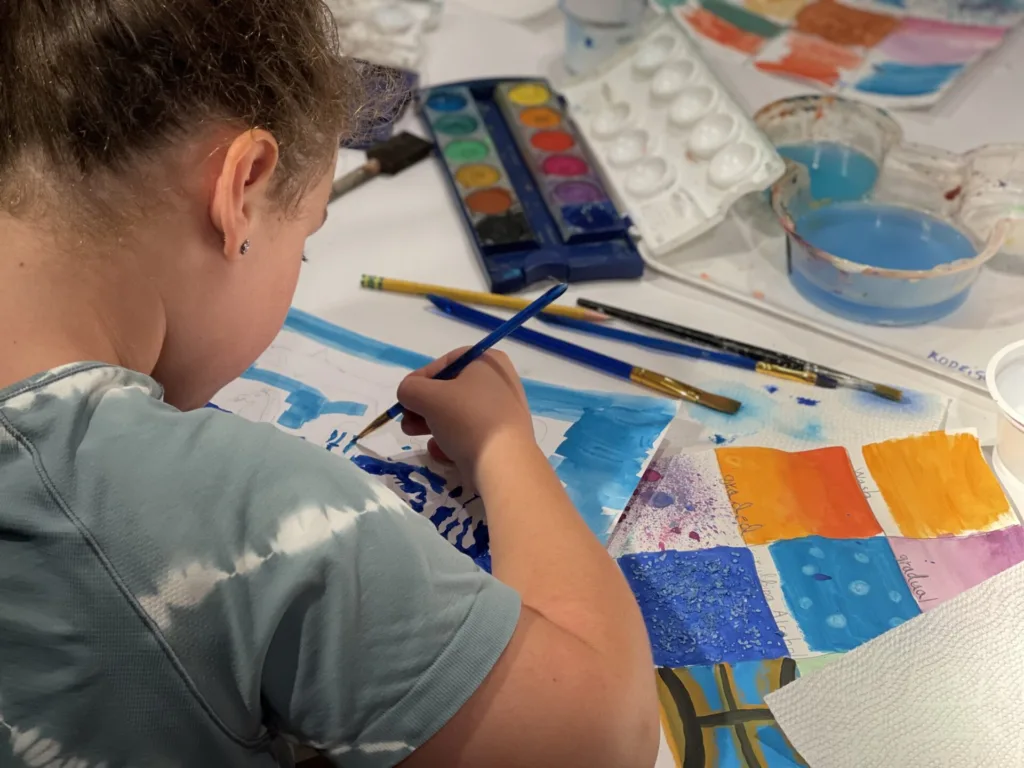
Beyond the Fridge – Creative Ways to Display Kids’ Art
Create a Rotating Gallery Wall
A proper gallery wall displays the art with intention. Choose a corner in a hallway, playroom, or even the kitchen. Use frames, clipboards, or magnetic strips to make it easy to switch out images over time.
This method promotes an ever-changing display and gives kids a chance to curate their very own exhibition, practicing decision-making about what goes up and why, just like the artists at OMA who work with museum curators.
Incorporate Art Into Everyday Spaces
Instead of confining pieces to a frame on one wall, prop a painting or drawing on a shelf or dresser, clamp a collage on a bulletin board, or even hang your child’s works in a patio or garden. These efforts help weave art into daily spaces, similar to how OMA’s artists use everyday objects and media to create otherworldly sculptures and abstract art.
When doing this, combine children’s work with family photos or other prints to make it cohesive. If the work blends in with your other decor, it shows your child that their work is just as valuable as an adult’s within your home.
Turn Art Into Functional Decor
There are some pieces that you can transform into something useful that you can enjoy every day. Scan your child’s drawings into digital files for printed tote bags or pillows. Create fun notecards, digital wallpapers, or a set of framed prints.
You and your child will get to appreciate (and use!) their art more regularly when it lives on unexpected items. These projects show children that art can be expressive and functional, much like the idea behind many art museum programs for kids at OMA.
Display 3D Creations with Pride
For sculptures, cardboard creations, and mixed media endeavors, place them on shelves, side tables, or in shadow boxes for display. Changing out a few at a time keeps storage manageable and your space more open.
This method helps children understand that art takes many forms and exhibitions can display large sculptures and installations without being defined as clutter. A visit to OMA will show your child that being intentional about which piece gets the spotlight creates a more impressive display.
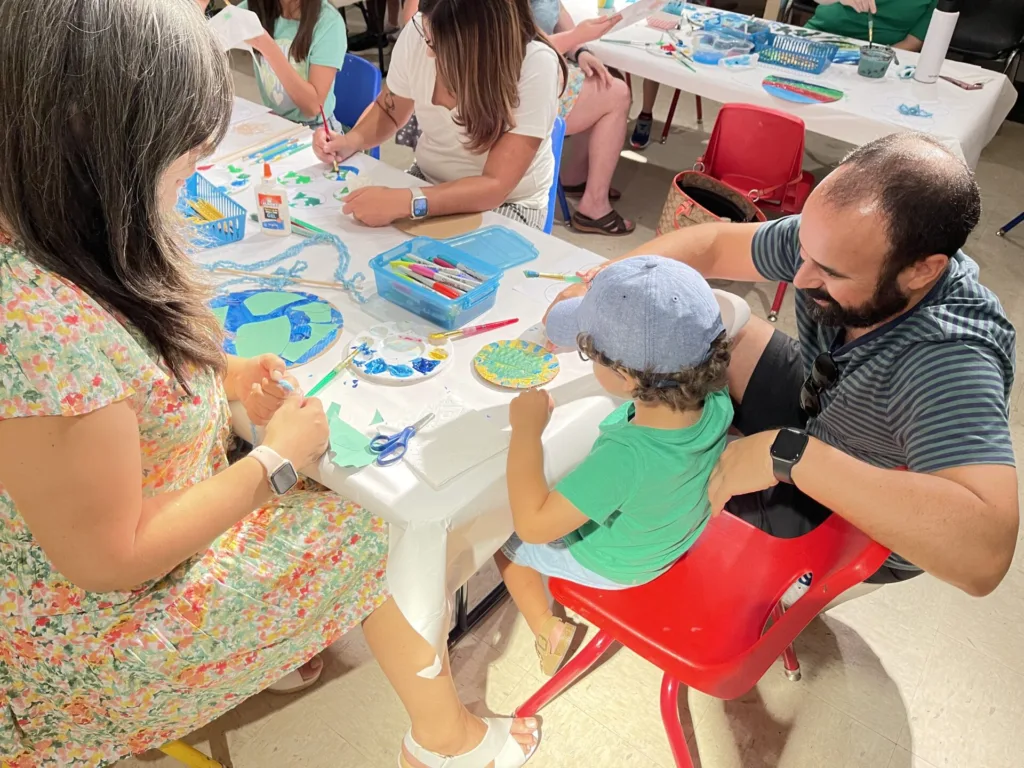
Preserving Childhood Masterpieces
Not every piece can stay on display forever. As time goes on, collections grow, and you’ll need methods for storing kids’ art and keeping memories safe.
Photograph and Digitize Artwork
One of the easiest children’s art storage ideas is to take photographs of new pieces monthly. Use natural light on a flat surface for the best results and save them by year or child. This allows for an automatic image that can last longer than its physical counterpart, which can fade over time.
Digitization also makes printing books or sharing artwork with family easier down the line. You can share a digital portfolio at the next family gathering or send out an annual photo book. At OMA, your child can witness how digitization helps preserve and celebrate artists over time.
Create an Annual “Art Book” or Portfolio
Select 10-20 favorites per year and bind them in a binder, scrapbook, or annual printed book of images. This allows children to reflect on their own progress over time, as many artists do, including those enrolled in OMA youth programs. Looking back can help boost a sense of achievement, inspire ongoing growth, and build their creative confidence.
Store and Protect Physical Pieces
Acid-free folders are great for flat storage needs, while flat boxes or shallow bins are best for storing kids’ art, like drawings and paintings, for longer periods. 3D elements benefit from organized bins with labels to avoid breakage over time.
Invite your child to help determine what gets recycled and what gets kept to teach lessons about memory curation. Turning extra paintings into collage material is always an easy way to give artwork life again in a different form!
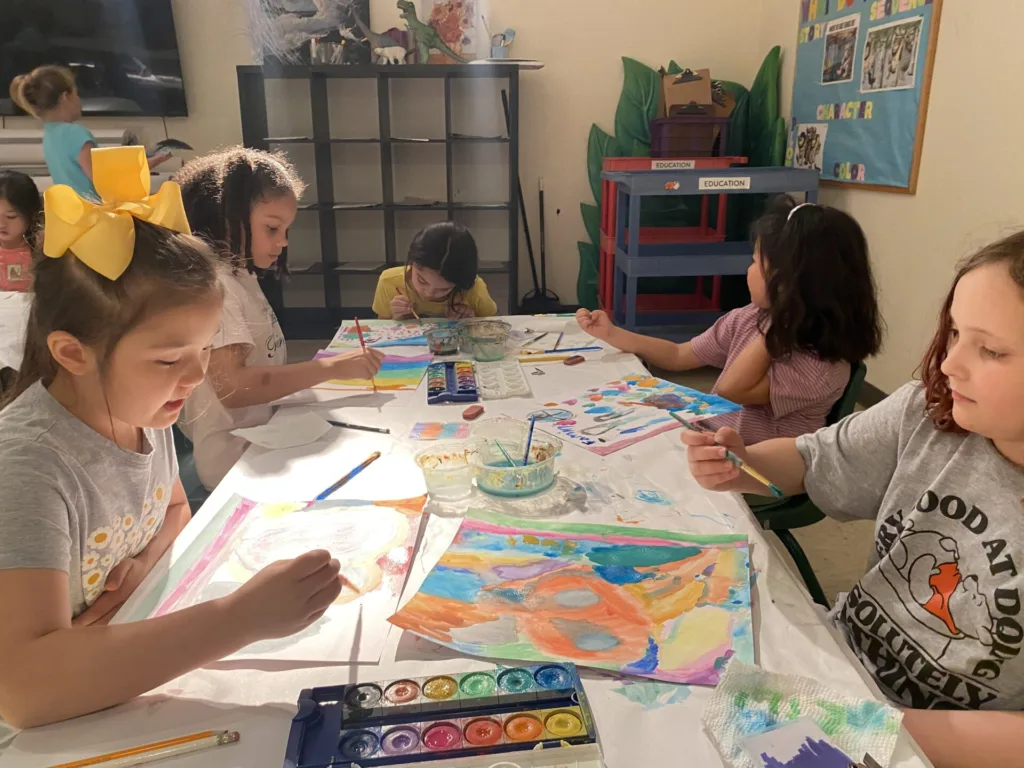
Fostering Creativity Beyond the Home
Knowing how to display children’s art at home shows them that their creativity is appreciated. You can boost your child’s confidence even more by exploring spaces outside the home that also cater to young artists.
Visiting the Orlando Museum of Art gives children a chance to see how professional artists display their creations and how exhibitions change over time. They learn ideas from large works and installations by looking closely at materials and media, which often inspire new efforts at home! The Peggy Crosby Student Gallery is another great example, with works from young artists from local schools and OMA’s Summer Art Camp displayed.
OMA has many Orlando family art activities, including:
- Youth Art Classes and Camps based on studio learning with skill-building opportunities
- Family Workshops and Events (like Art Adventures) designed for hands-on experiences for children and their favorite adults to explore together
- Exhibitions featuring diverse artists and mediums
These opportunities complement what you do at home by giving kids a broader perspective on what can be created! No matter how small your gallery wall or how few shelves you dedicate, when combined with a visit to the Orlando Museum of Art, your child learns that your home is another space where imagination is celebrated and that their creativity can belong in a bigger world.